We only make seven.
Most lash catalogues run to a hundred SKUs and leave you guessing. We went the other way: seven curls, calibrated, and nothing else to distract from getting the fit right.
Why a small range is the harder choice
Adding a curl is easy. Holding a curl to a standard is not. Every arc in our range has to sit on a real eye the way the drawing says it will — which means testing against hooded eyes, monolids, downturned corners and naturals that grow in completely different directions.
We kept seven because seven covers the problems artists actually face in the chair. J and B for clients who do not want to look like they had anything done. C and CC for the general work. D where the natural lash points down. L for the eyes that swallow a C curl whole. M for the set that has to survive a camera.
Everything else is length, diameter and technique. Those you should control, not us.
How a tray gets made
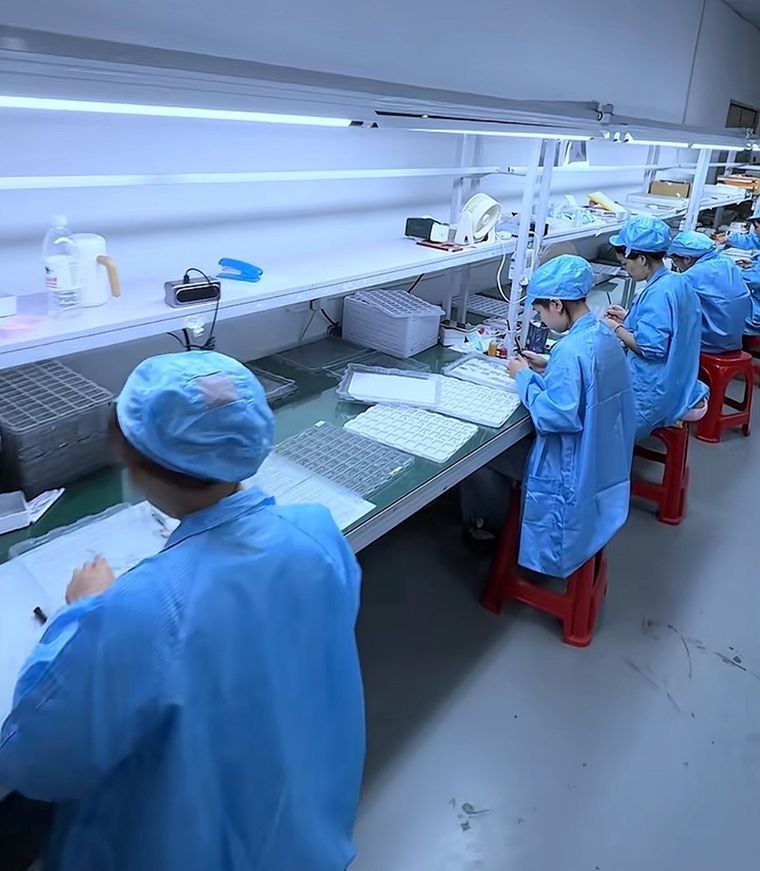
Korean PBT fibre, matte finished so it does not throw a highlight under ring light, drawn in 0.05, 0.07 and 0.10 mm. Fans are assembled and inspected by hand rather than machine-punched, because a tray where the lash line is misaligned costs you time at the start of every set — and time is the only thing in a lash appointment that does not scale.
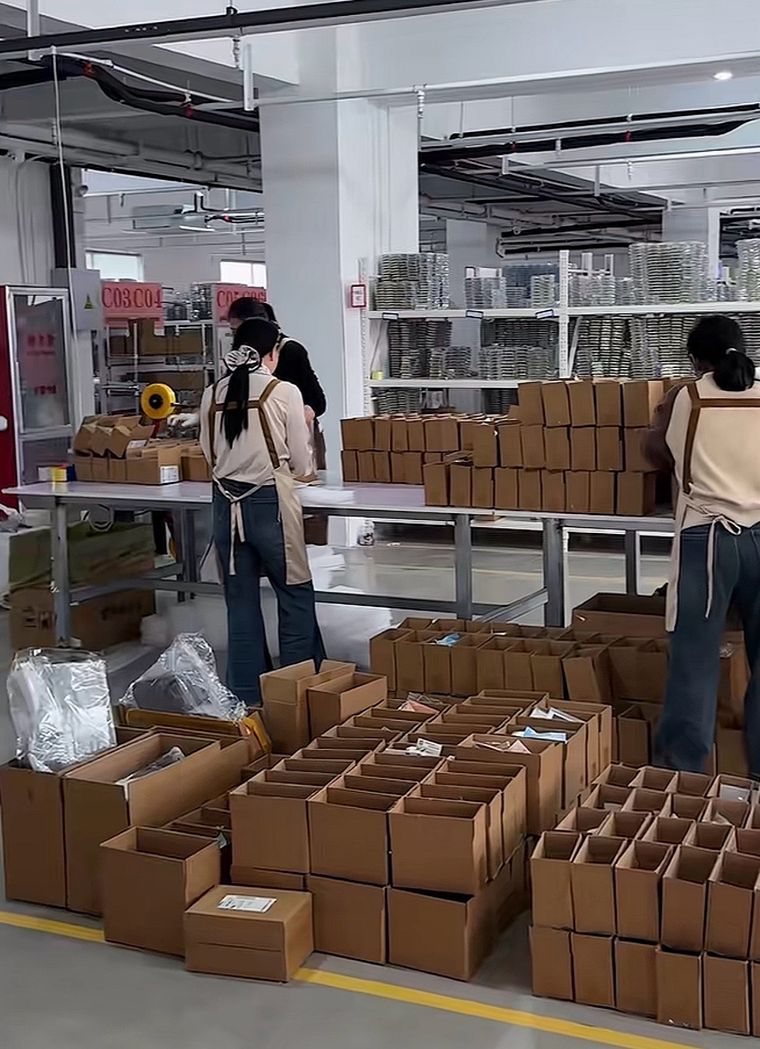
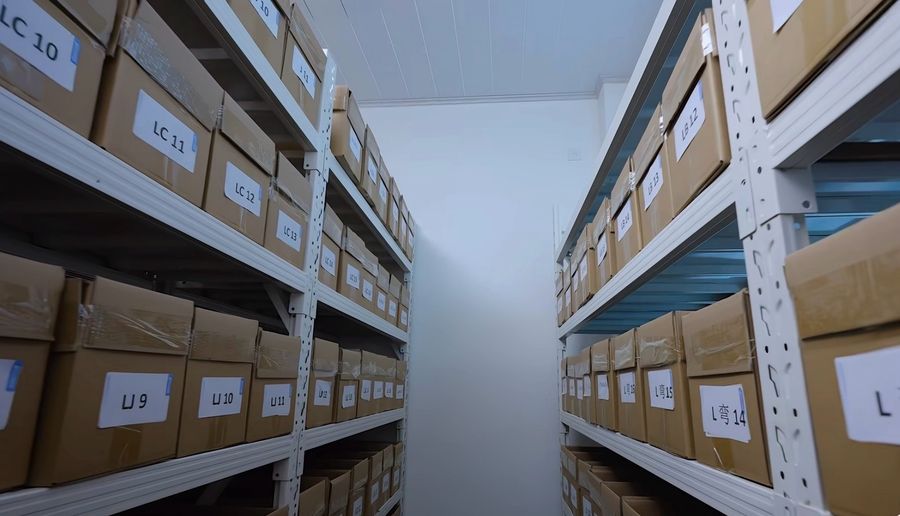
Batch coding. Every tray carries a batch code. When you reorder in three months, the curl and weight match the tray you opened today. A curl that drifts by two degrees between batches is a set your client notices, even if she cannot say why.
What we will not do
- Quote a single flat price that quietly excludes packaging or mixed-curl orders.
- Sell a carton as a “sample”.
- Recommend the strongest curl because it photographs best. We recommend the one that suits the eye.
“If a client cannot tell which curl you used, you fitted it correctly.”remiir studio notes
Get in touch
Questions about a curl, a tray or an order?
Message us on WhatsApp. A person replies, usually within a few hours on business days.